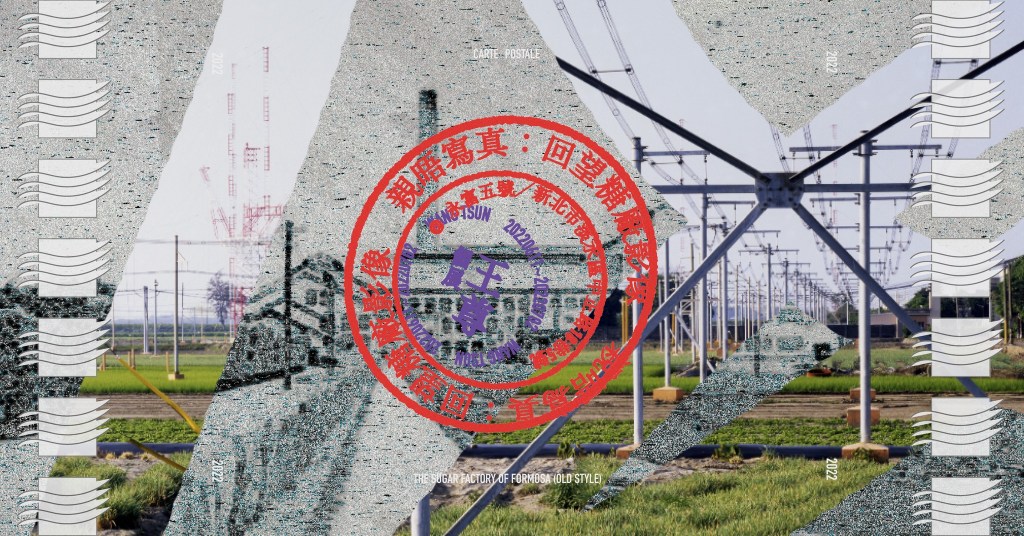
糖廠,過去作為代表台灣,或一種台灣現代化的象徵,從日治發展出來影像治管,對於出版產業寫真帖與繪頁書,攝影以治管為視覺化工具,使這項複製技術在如何看待自我與被殖民者的影像。對於日本的現代化的政治目的,象徵當時的權力集團集體意識。
在台灣,糖業是一個討論話題。日本在取得台灣之前,是糖的最大進口國,從荷蘭東印度公司掌握產銷,糖業在荷蘭統治時是階級產物,只擁有貴族手裡,之後連年出口日本。在幾次政權更迭,仍為統治階層的覬覦目標。即便在戰時,對日本人來說是能轉化能生質能源的戰略物資。
過去日據時代勞資雙方常爆發糾紛,如爆發抗爭的二林,其產銷糖業企業所獨占,蔗農販售甘蔗時無從比價,只能任憑蔗農所在地的糖業會社宰割;蔗農因此抵制,後來資方的強採收暴行,卻沒有熟悉現代國家體制的中間階層介入保護弱者,勞方經常求助無門,只好以直接暴力作為社會階級抗爭手段,最終衝突的代價往往也十分慘重。
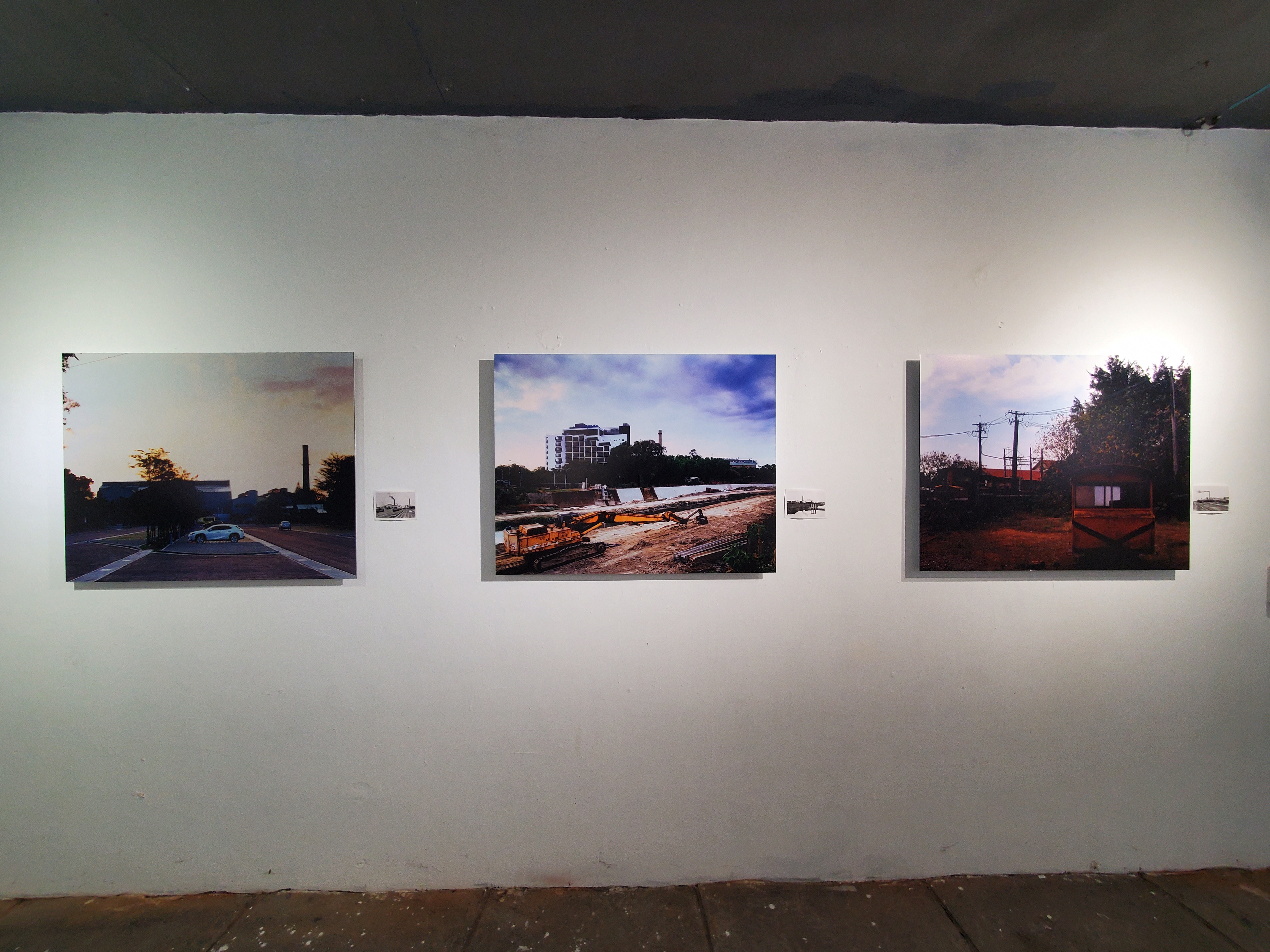
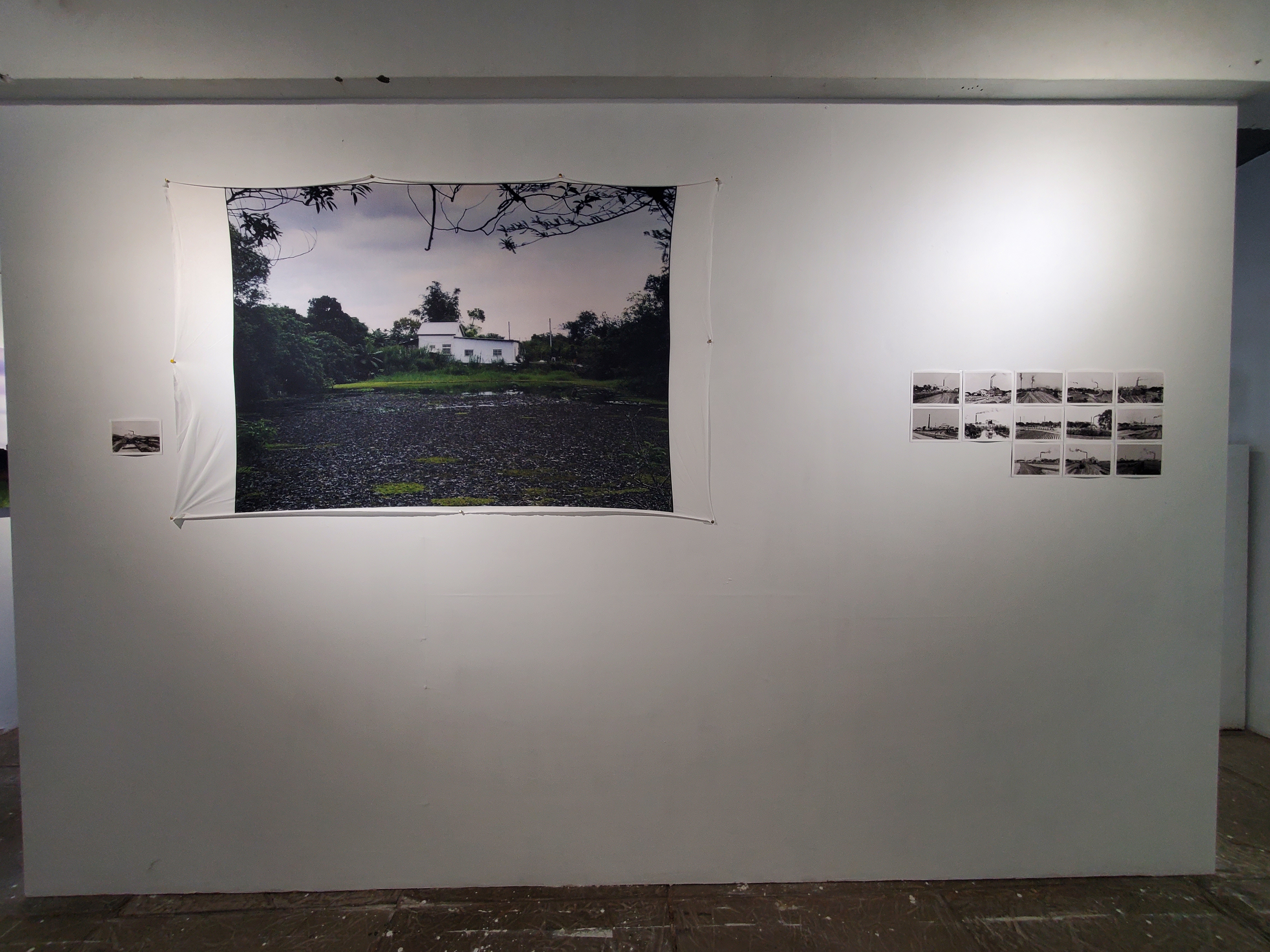
如果空間政治是集體意識延伸,那挪用其過去空間影像就是重新定義,從過去繁榮昌盛到現今的榮景不在。影像,作為一種反省的技術,可以若大對比中從欣欣向榮轉化成凋零衰敗去體悟反省。
從日治時期殖民主義性格的關鍵問題,殖民者看待蔗農與製糖會社間的關係。國民政府對糖經濟掠奪延續日本殖民的情況,在這歷史長河中產生的文明,有如燃燒成灰燼的殘餘物與廢墟,轉化或更迭之下變成看的見與看不見的證據。
In photo albums and illustrated books, the photography of the colonial era served as a tool for political governance, visually framing how the Japanese viewed both themselves and their colonial subjects. This reproductive technology, driven by Japan’s modern political ambitions, symbolized the collective consciousness of the ruling power at the time.
In Taiwan, the sugar industry was a central topic of discussion. Before Japan acquired Taiwan, it was the largest importer of sugar. Initially, the Dutch East India Company controlled sugar production and sales, making it a luxury item exclusively for the aristocracy. This control continued even after the Dutch exported sugar to Japan. Over several regime changes, the sugar industry remained a coveted target for the ruling class. Even during wartime, it was a strategic resource for the Japanese, as it could be converted into biomass energy.
During the Japanese colonial period, labor disputes were common, such as the protests in Erlin. With sugar production and sales monopolized by corporations, sugarcane farmers had no leverage to negotiate prices. They were at the mercy of the sugar companies in their area. When farmers boycotted, companies resorted to forced harvesting. Without a middle class familiar with the modern state system to protect the vulnerable, workers often had nowhere to turn. They were forced to resort to direct violence as a means of class struggle, with the consequences often being severe.
If spatial politics is an extension of collective consciousness, then re-appropriating images of its past spaces is an act of redefinition. It shifts the narrative from past prosperity to the present state of decline. Photography, as a tool for reflection, allows us to contemplate and learn from the stark contrast between a flourishing past and a decaying present.
This exhibition addresses the key issues of colonial character during the Japanese era—specifically, how the colonizers viewed the relationship between sugarcane farmers and sugar companies. The plundering of Taiwan’s sugar economy continued under the Nationalist government, mirroring the Japanese colonial model. The civilization that arose from this long history, like the remnants and ruins left after a fire, is transformed, becoming both visible and invisible evidence of these shifts and changes.
▌展覽資訊 Info
日期 Date|2022.6.11(六)~7.2(六)
時間 Time|14:00~19:00
地點 Location|Yongfu No. 5, No. 5, Lane 18, Zhongzheng Rd., Tamsui Dist., New Taipei City
▌藝術家 Artist
王尊 Wang Zun
國立臺北藝術⼤學 美術系碩⼠
Master of Fine Arts, Taipei National University of the Arts
展覽經歷 Exhibition experience
2020|「游離」攝影個展,靜慮藝廊,台北(國藝會2020年第⼀期視覺藝術類補助)
2019|「游離」⽔交社,台南國際攝影節
2018|「B計畫」台灣當代⼀年展-中⼼新村(⽂化部扶植青年藝術家的補助計畫)
2017|「開房間」15位藝術家聯展,台北晶華酒店
活動 Activity
2020|專訪-自由時報 自由追新聞:廢墟有致命吸引力?好攝之徒拍到「出不來」
2020|講座-大型相機講座-大型相機實踐與攝影
2020|專訪-公視 獨立特派員:穿越時空 愛上廢墟
2018|講座-當藝術參與中心新村-北投人與外國人的觀點
2017|講座-廢墟攝影-題材的探討與影像的目的(元培攝影社)
2017|專訪-民視異言堂-廢墟・荒廢之時
2016|講座-廢墟攝影-地景攝影的新浪潮
2016|專訪-華視新聞雜誌-頹圮之美 廢墟攝影探祕
2016|講座-我在廢墟的生命裡(廢墟影像:古典軟片攝影)
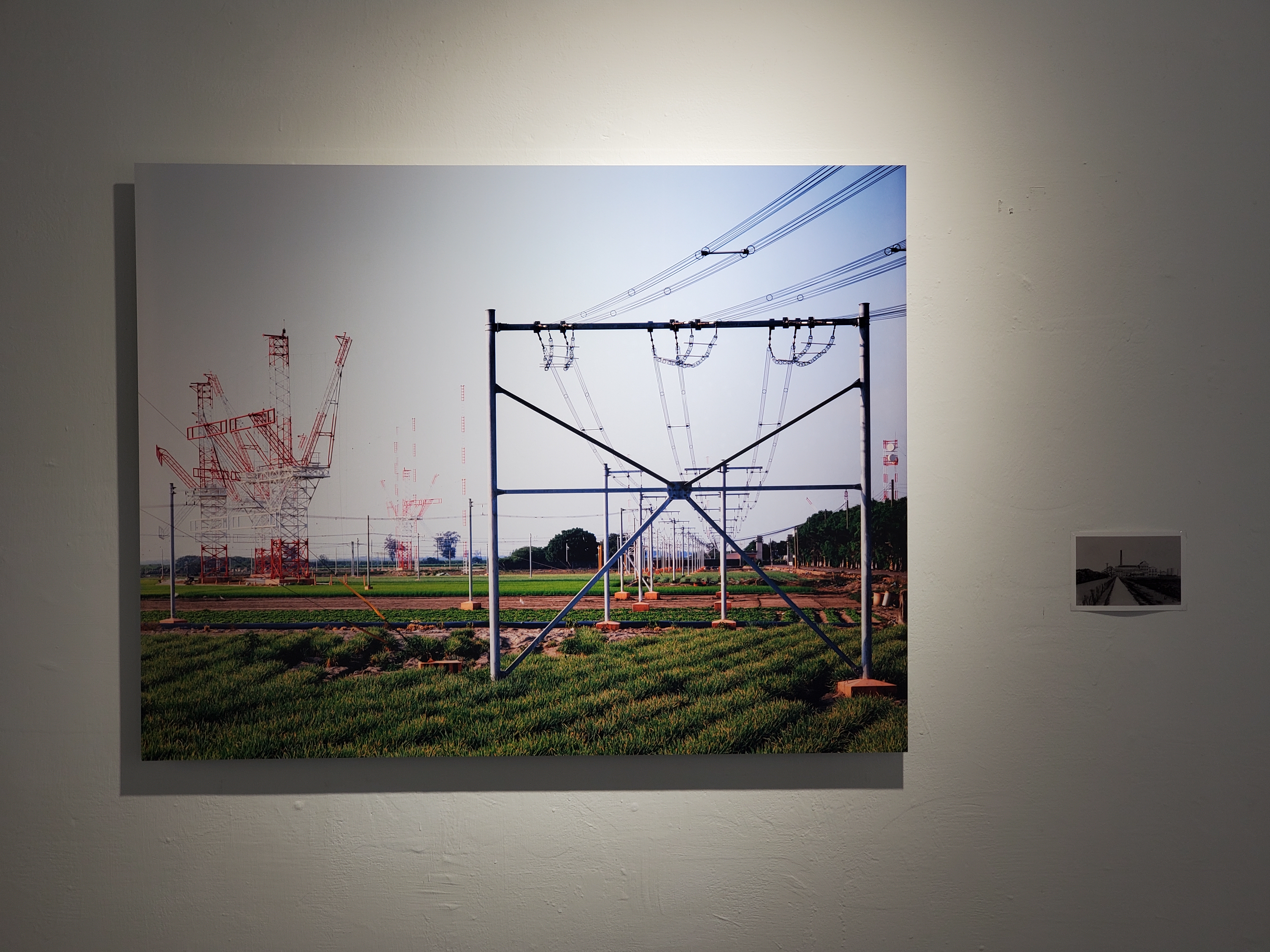
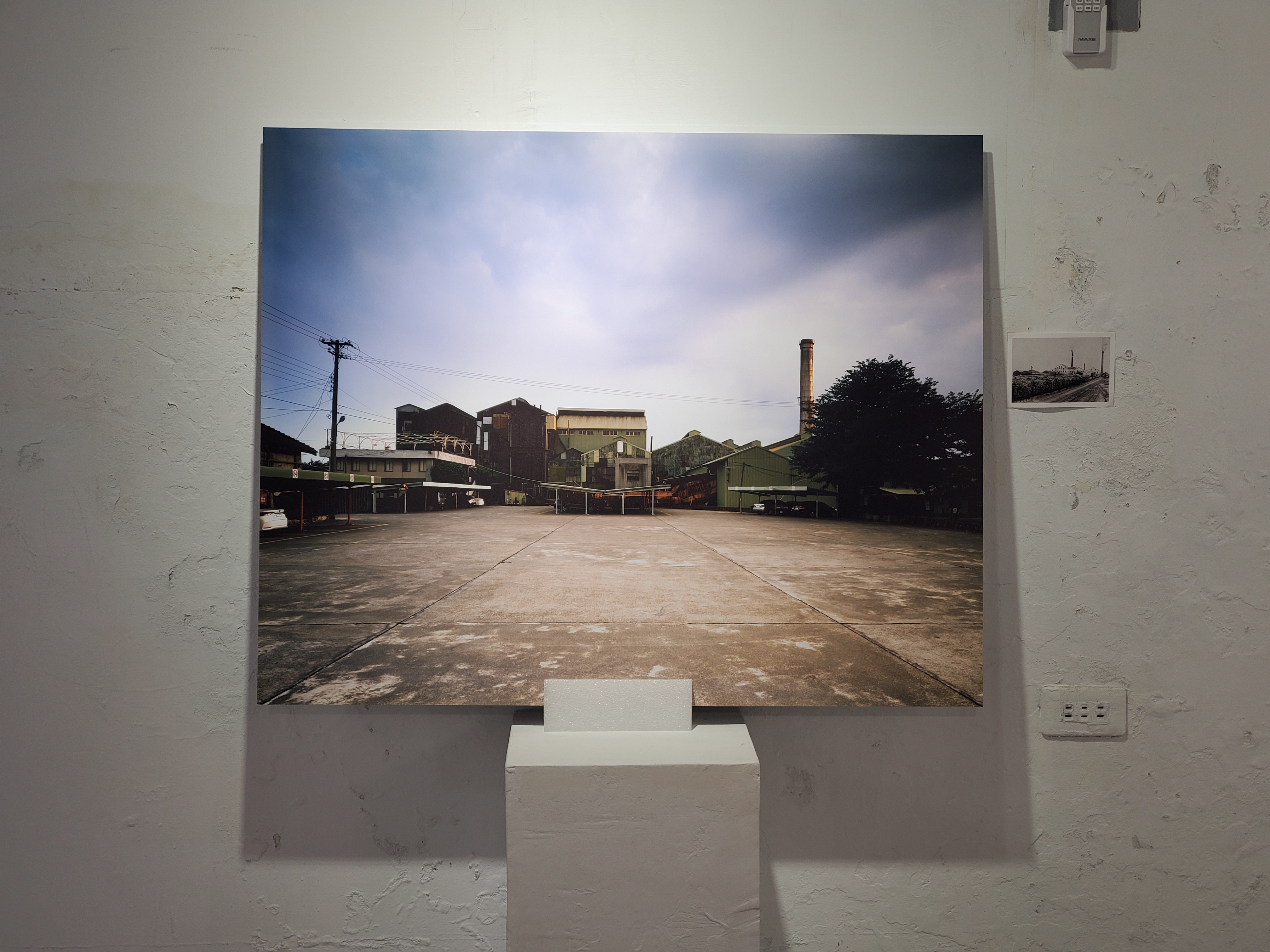
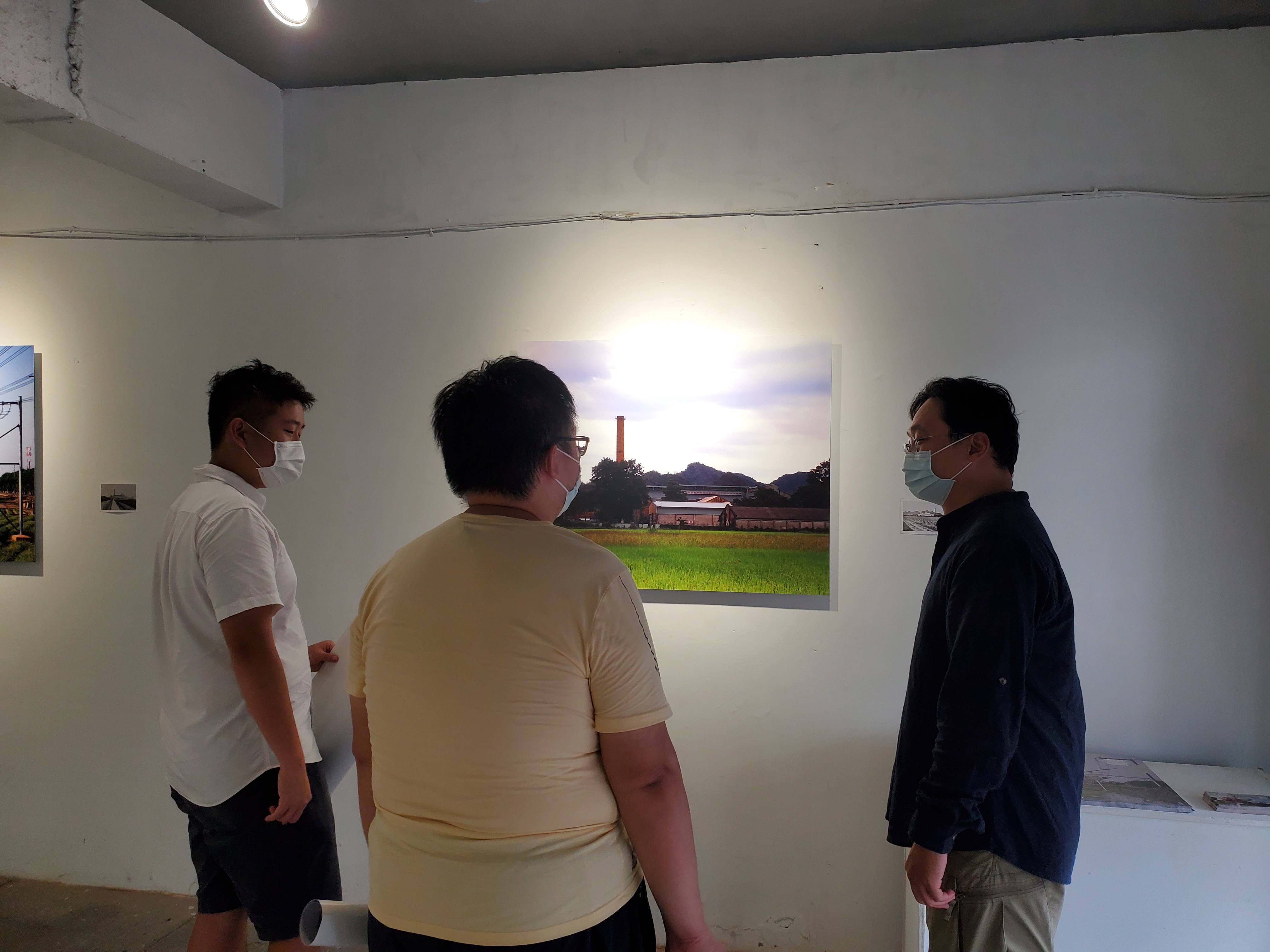
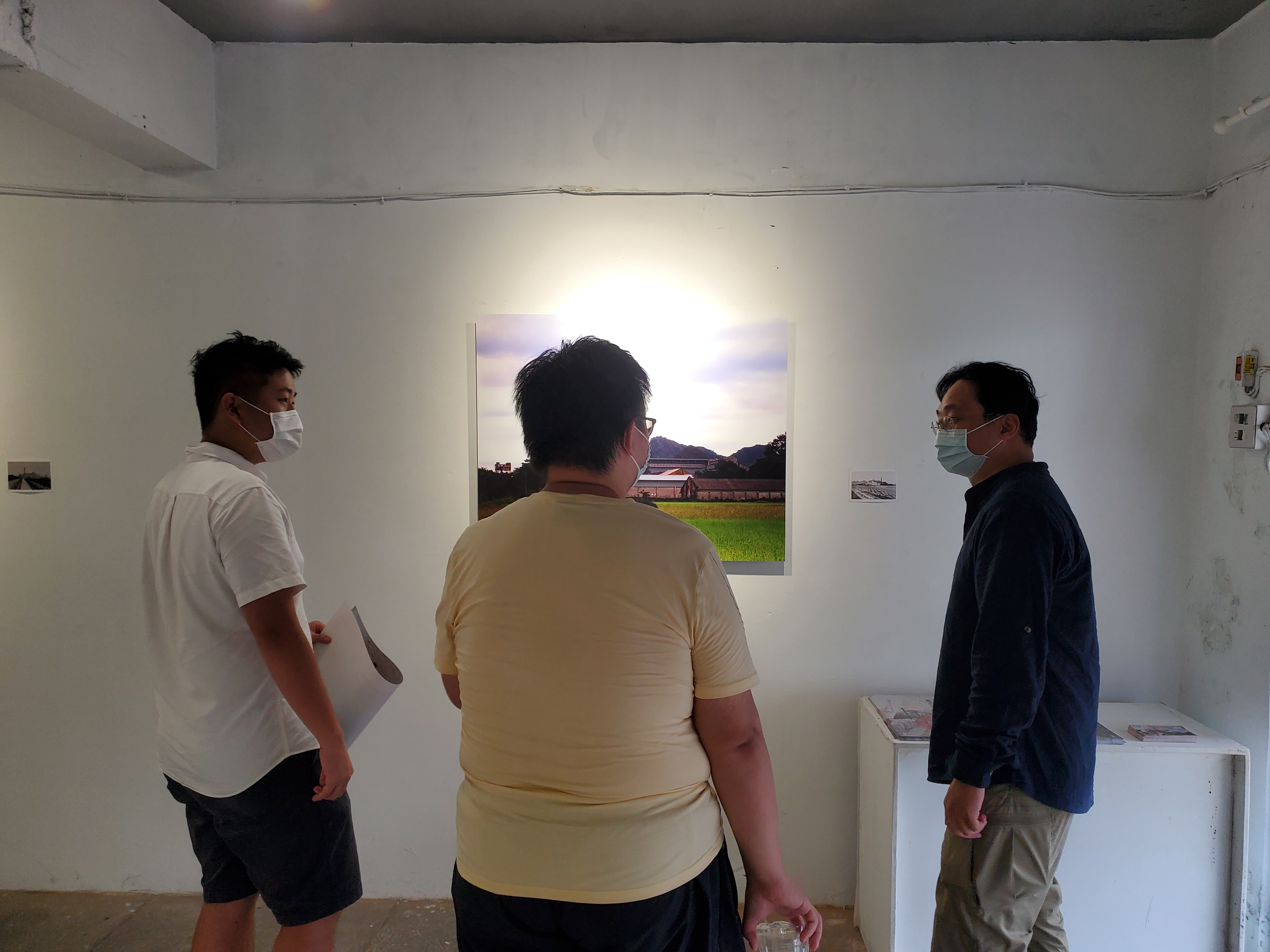
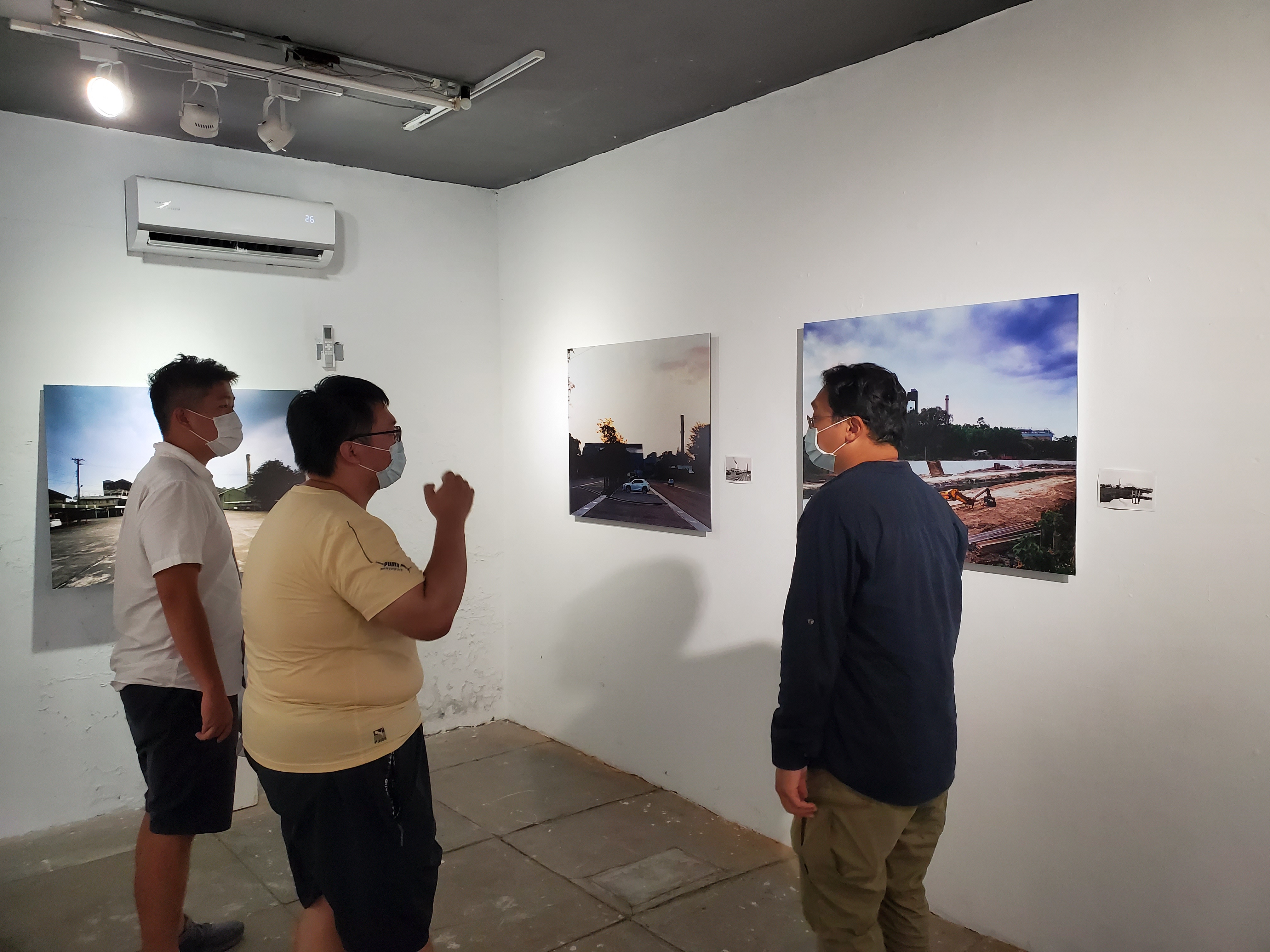
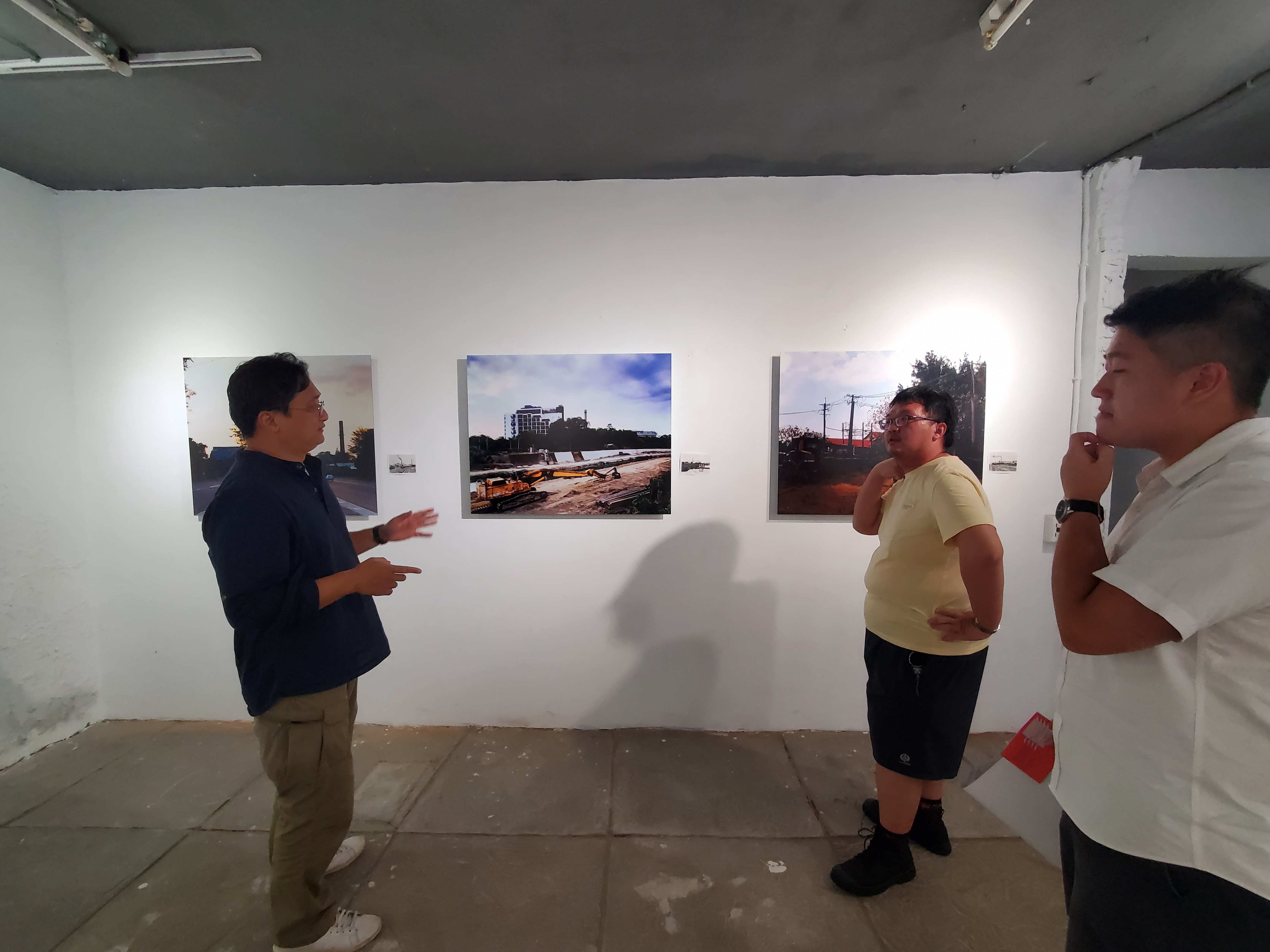
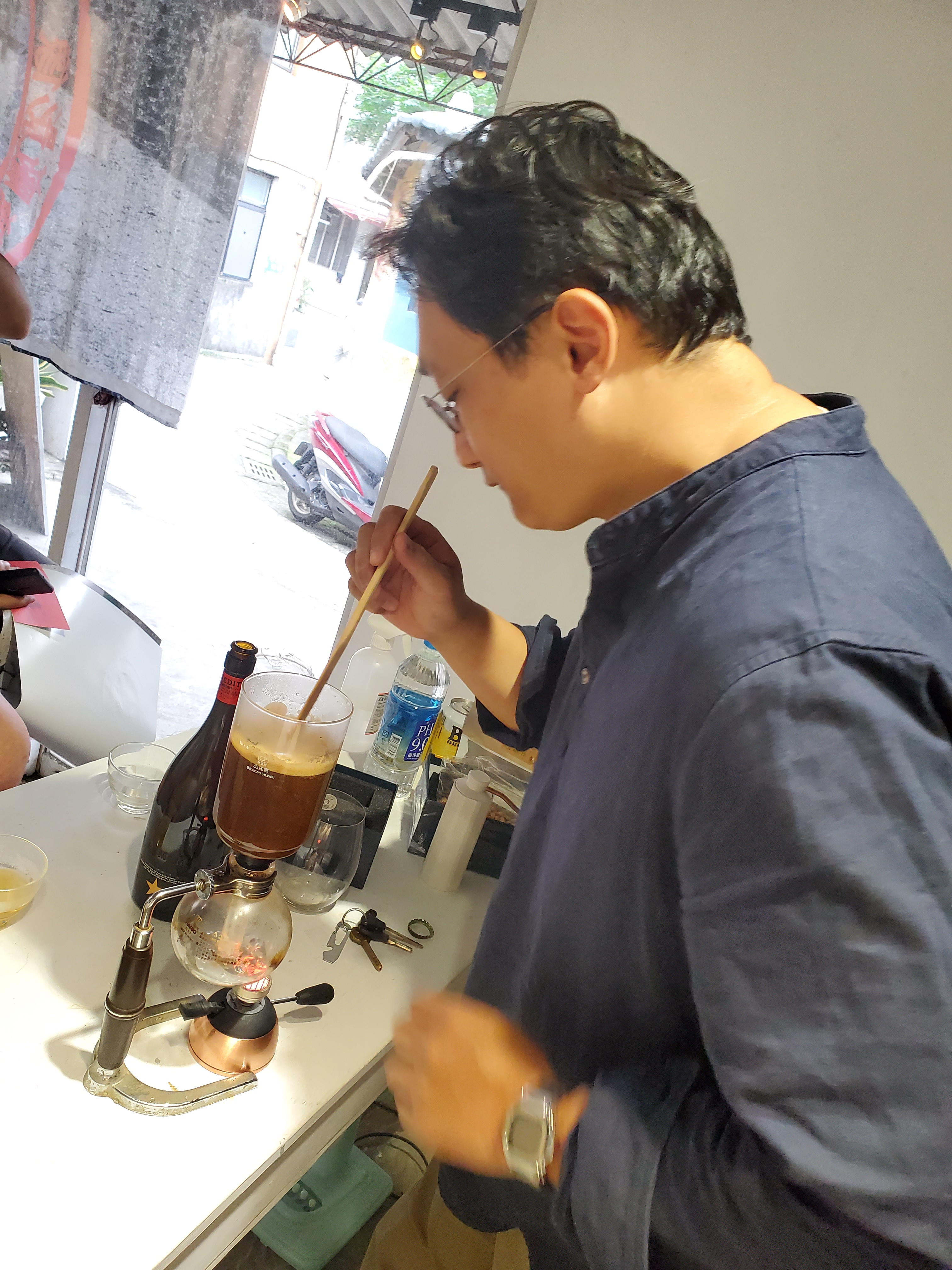
藝術家作品列表
| 編號 | 名稱 | 尺寸 / 時間 | 材質 | 年代 | 展示方式 |
|---|---|---|---|---|---|
| 1 | 空間的空間 I | 125×100 | Archival print | 2018 | 掛牆 |
| 2 | 空間的空間 II | 125×100 | Archival print | 2018 | 掛牆 |
| 3 | 真實 I | 125×100 | Archival print | 2018 | 掛牆 |
| 4 | 真實 II | 125×100 | Archival print | 2018 | 掛牆 |
| 5 | 公⾞ II | 125×100 | Archival print | 2018 | 掛牆 |
| 6 | 轉動 | 125×100 | Archival print | 2018 | 掛牆 |
| 7 | 公⾞ I | 60×48 | Archival print | 2018 | 掛牆 |
| 8 | 光復 | 125×100 | Archival print | 2022 | 掛牆 |
| 9 | 壽豐 | 125×100 | Archival print | 2022 | 掛牆 |
 永富五號 Yong Fu No.5